The president of the Comoros Football Federation (FFC), Saïd Ali Saïd Athouman, has thrown his support behind FIFA’s proposed Forward Enterprise initiative, arguing that African federations should assess the plan based on their own financial realities rather than the concerns raised elsewhere.
The proposal, championed by FIFA president Gianni Infantino, is currently under consultation with football associations worldwide and has generated debate, particularly among several European football bodies over the future management of FIFA’s commercial rights.
For Comoros, however, the discussion is centred less on theory and more on the practical impact the initiative could have on football development.
According to Athouman, the project has the potential to provide up to $20 million to the island nation, a level of funding that could transform football infrastructure and strengthen the federation’s financial position.
Rather than dismissing the proposal, the FFC president believes it deserves careful consideration.
“We shouldn’t reject it without having studied it beforehand. If I were European, perhaps I wouldn’t think that way. But I live in a different reality.”
His remarks reflect a broader conversation within African football, where many federations continue to operate with limited financial resources while attempting to develop the game and support national teams.
Athouman suggested that African football administrators should judge the proposal according to the conditions they face on the ground instead of adopting positions shaped by wealthier football economies.
He also stressed that while financial support is welcome, FIFA should remain committed to the principles that have guided the organisation.
“We also want FIFA to uphold its values and not create a company just for profit. But if the Europeans have better offers, we are also ready to consider them. If we receive 20 million under certain conditions — for us, that’s a huge amount of money.”
The Comoros football chief offered a rare insight into the financial pressures confronting smaller football associations across Africa.
He explained that the federation struggles to meet its day-to-day obligations, including staff salaries, and revealed that salary delays have already attracted the attention of FIFA’s disciplinary bodies.
“You can’t even imagine how we live. We have problems paying salaries to our staff. I am constantly dealing with these issues and even ask whether FIFA is planning to disqualify me, since the disciplinary committee is already reviewing cases regarding salary delays.”
Athouman added that the federation currently receives just over one million dollars from FIFA funding, a figure he suggested falls short of the demands placed on the organisation.
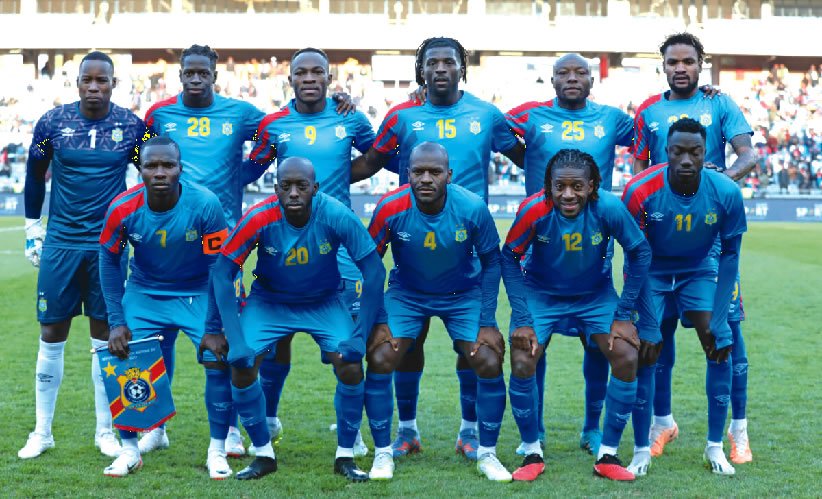
According to him, the federation contributes around 30% of the expenses for the senior men’s national team, with the remaining costs covered by the government ministry.
He said all other national teams are financed entirely by the federation, while the state assists with accommodation and player bonuses.
“People don’t understand the conditions we work in. We receive just over one million dollars from FIFA funds. We cover 30% of the expenses for the main national team ourselves, the rest is funded by the ministry, and all the other teams are fully supported at our expense. Hotels, bonuses – that’s the state. But we have referees, staff members.”