The behaviour of a vocal section of South African All Blacks supporters at a public welcome event in Cape Town has been condemned as an ugly display of hostility towards South African officials, institutions and fellow fans.
The Cape Crusaders’ support for New Zealand has historical roots that deserve recognition. During apartheid, the Springboks were associated by many coloured and black South Africans with the state that oppressed them.
By contrast, the All Blacks came to represent a team of mixed heritage that stood outside the dominant white Afrikaner sporting identity. In many families in the Western Cape, allegiance to New Zealand was passed from one generation to the next.
That history is widely understood. What happened at Cape Town Stadium on Friday, however, went far beyond inherited sporting loyalties.
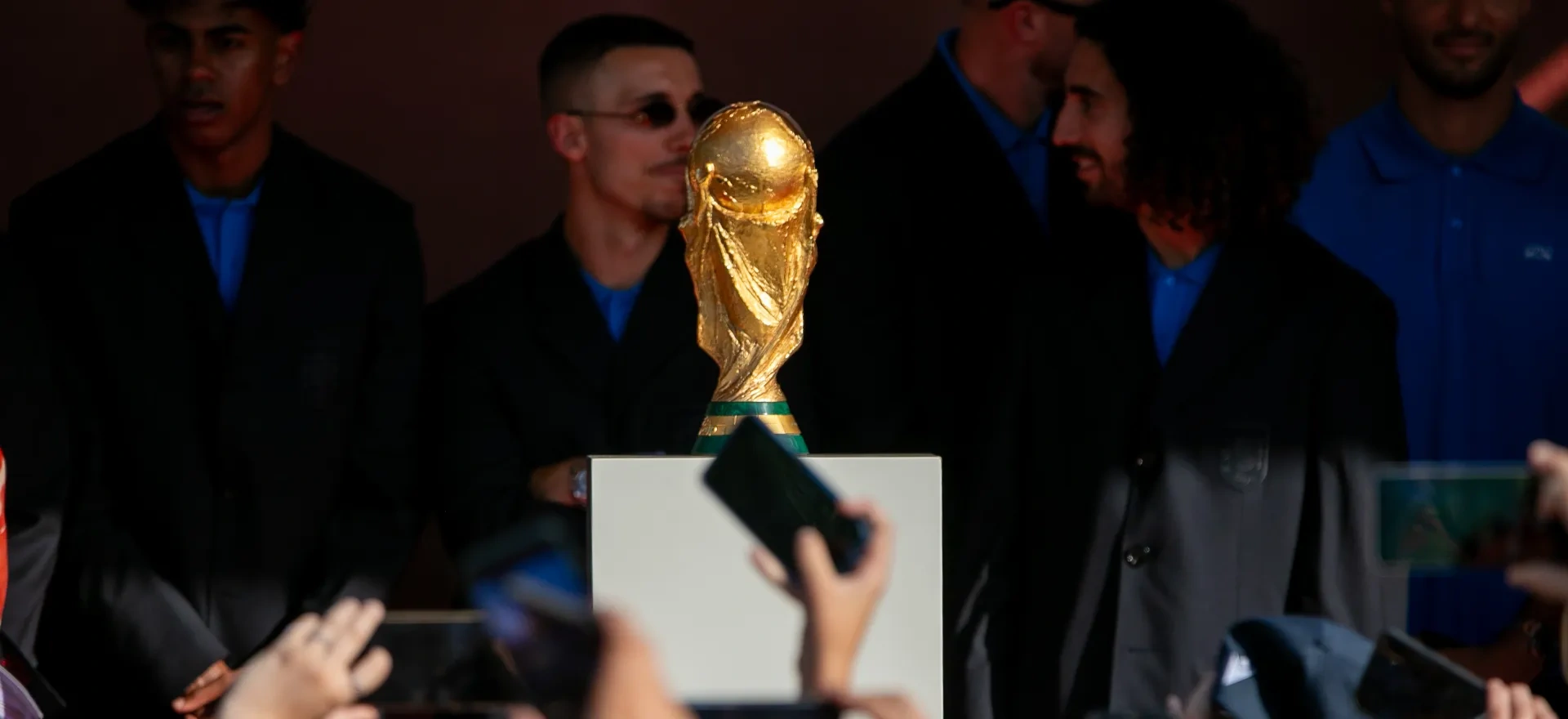
SA Rugby organised the free public ‘Welcome to country’ event for the touring All Blacks, with tickets available to everyone. On stage were MC Aden Thomas, SA Rugby president Mark Alexander, chief executive Rian Oberholzer, City of Cape Town deputy mayor and former Springbok Eddie Andrews, All Blacks head coach Dave Rennie and tour captain Codie Taylor.
A sizeable Cape Crusaders following attended the event, but sections of the crowd repeatedly disrupted the proceedings.
According to several journalists positioned between the stage and the stands, the abuse directed at Thomas, Alexander, Andrews and Oberholzer was vile.
Alexander was shouted down and called names as he delivered his welcome. Some supporters demanded that he leave the stage, while references to the Springboks prompted swearing. When the South African Youth Choir sang the word “iBokoboko”, sections of the crowd booed.
Springbok supporters wearing green and gold were also met with hostility.
Some fans went further by displaying New Zealand’s national flag, rather than an All Blacks rugby flag. They attempted to sing the New Zealand national anthem and copied Haka gestures, while chanting that Cape Town was the All Blacks’ home town.
Rennie and Taylor appeared visibly uncomfortable during the event.
After the speeches, Rennie, Taylor and lock Sam Darry took part in media interviews close to the stage, a routine arrangement at such events. The location had been selected by the All Blacks, rather than by the journalists.
The remainder of the squad continued engaging with supporters and throwing T-shirts into the stands. Some people in the central section complained that the interviews were preventing them from catching the T-shirts, with a number of journalists receiving direct abuse despite carrying out their work.
That incident may appear relatively minor, but it reflected the atmosphere inside the stadium.
The historical case for supporting the All Blacks over the Springboks is legitimate to a point, but New Zealand’s own relationship with apartheid South Africa was complicated.
The All Blacks toured South Africa in 1976 during the Soweto uprising. The Springboks visited New Zealand in 1981, causing deep division there, and New Zealand toured South Africa again in 1986.
During those tours, Maori players were classified as “honorary whites” to gain entry into apartheid South Africa. New Zealand Rugby accepted that humiliating arrangement.
The idea that New Zealand represented an uncomplicated moral alternative to the apartheid sporting establishment therefore does not withstand close scrutiny.
More than three decades of democratic rugby have also changed South Africa’s national team. Siya Kolisi became the Springboks’ first black captain, while the team has won four World Cup titles. Under Rassie Erasmus, the squad and its culture have been shaped to reflect a country that was not represented by the team during apartheid.
Historical grievances remain real, and some South Africans who grew up within apartheid’s rugby structures experienced racial prejudice that continues today. Those experiences can understandably lead to ambivalence towards the Springboks.
But choosing not to support South Africa is different from directing abuse at South African officials, a youth choir and fellow citizens at a public event.
Nobody is obliged to support the Springboks. Supporting a team is a personal decision. Fans can back the All Blacks, wear black and celebrate New Zealand without booing a national youth choir or shouting abuse at the SA Rugby president during an event staged to welcome the visiting team.
Displaying another country’s sovereign flag and treating fellow South Africans as opponents on their own soil crosses a different line.
There is a clear distinction between inherited allegiance and deliberately manufactured antagonism. The events at Cape Town Stadium fell into the latter category.
Friday’s gathering was intended to celebrate rugby and welcome the All Blacks. Instead, a small but vocal group appeared to turn it into an opportunity to perform hostility towards South African institutions and supporters.
Rugby’s Greatest Rivalry deserved better, and the All Blacks appeared to recognise that. Rennie and Taylor’s discomfort was visible for a reason.
Support whichever team you choose. That right is not in question. But the Cape Crusaders must take responsibility for their conduct at Cape Town Stadium, because Friday’s behaviour represented something considerably less dignified than rugby’s greatest rivalry.