Zamalek’s performances have declined this season, with defensive weaknesses, the absence of key attacking options and a less effective midfield raising questions about the team’s ability to reproduce the form that helped them win the Egyptian league title last season.
Under Moataz Gamal, Zamalek developed a recognisable style built around defensive organisation, quick counter-attacks and the ability to exploit spaces left by opponents. Their balanced midfield also helped them move the ball forward quickly and create chances without needing long spells of possession.
However, the team has struggled to maintain those strengths during the current campaign. Their physical condition has also been affected by a delayed pre-season preparation period, contributing to concerns that extend beyond the results alone.
Four areas help explain the difference between Zamalek’s performances last season and their current displays.
1. Defensive solidity has weakened
Zamalek were difficult to break down last season, with their defensive structure limiting the space available to opponents and reducing the number of clear chances conceded.
They played 27 matches across competitions under Gamal and kept clean sheets in 14 of them, a record that underlined their defensive strength.
This season, however, opponents have found it easier to reach dangerous positions and create opportunities, including in matches that Zamalek have managed to win. Taking the lead has not always meant that the team is controlling the game.
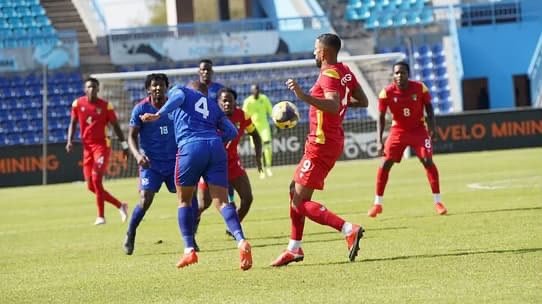
Their match against the Rwandan Army provided an example. The opponents created at least five clear chances, compared with two for Zamalek, who eventually secured victory through Nasser Mansi’s goal.
The figures point to a team that is no longer protecting its goal with the same consistency as it did last season.
2. The loss of Juan Bezerra has reduced Zamalek’s counter-attacking threat
Quick transitions from defence to attack were central to Zamalek’s success last season. They were able to exploit gaps behind opposing defences through forward passes, pace and movement in the attacking line.
Abdullah Al-Saeed’s role in midfield, combined with Juan Bezerra’s ability to carry the ball forward and take advantage of open spaces, gave the team an effective way to escape pressure and threaten opponents with relatively few passes.
Bezerra offered more than goals and assists. His movement forced opposing defenders to remain cautious when pushing forward because losing possession could leave them exposed to a dangerous counter-attack.
Without a player offering the same qualities, Zamalek have lost an important part of that system. They have found it more difficult to progress the ball under pressure and exploit the spaces opponents leave behind.
The challenge is therefore not simply to replace Bezerra’s individual contribution. Zamalek need to find another way of creating the same attacking threat and making rivals think twice before committing players forward.
3. Oday Dabbagh has struggled in a different attacking role
Oday Dabbagh was Zamalek’s leading scorer last season, finishing with 14 goals, six more than Bezerra. The Palestinian international was an important part of the team’s attack, benefiting from the freedom to move between the centre-forward position and the left wing.
That movement allowed him to find space in the penalty area and combine with teammates, while Bezerra’s presence on the right provided further flexibility across the front line.
Dabbagh’s contribution has changed this season. He has yet to score and has recorded three assists, a noticeable reduction from his previous campaign.
He has also been used mainly on the right wing to compensate for Bezerra’s absence. The role requires different movements and responsibilities, potentially limiting his opportunities to get into the positions where he was most effective last season.
Restoring his scoring form may therefore depend on more than confidence in front of goal. Zamalek also need to find a role that allows him to make better use of his movement and finishing rather than simply asking him to fill another player’s position.
4. The midfield has lost its balance
Zamalek’s midfield was another important part of their previous success. The combination of Ahmed Fatouh, Mohamed Shehata and Abdullah Al-Saeed, supported by Mohamed El-Sayed and Ahmed Rabie during the closing stages of last season, provided options for building attacks and connecting defence with the forward line.
The group helped the team control the tempo, distribute passes and launch quick attacking moves. That balance has been harder to maintain this season.
Al-Saeed’s advancing age, the demands of playing as a number eight and the effects of the delayed preparation period have made the role more difficult. Instead of covering ground and linking the different areas of the pitch, he has increasingly been used as a playmaker.
Meanwhile, Shehata and Rabie have also seen their performances decline, according to the assessment of the current campaign. This has reduced Zamalek’s ability to control the central areas of the pitch.
The consequences extend beyond midfield. When Zamalek lose control of that area, opponents can attack more freely, the distances between the team’s lines grow and the passes needed to launch counter-attacks become less effective.
Together, these four issues help explain why Zamalek have struggled to reproduce last season’s performances. Improving results will be important, but restoring defensive organisation, finding alternatives to Bezerra, making better use of Dabbagh and rebuilding midfield balance are also central to addressing the team’s wider problems.