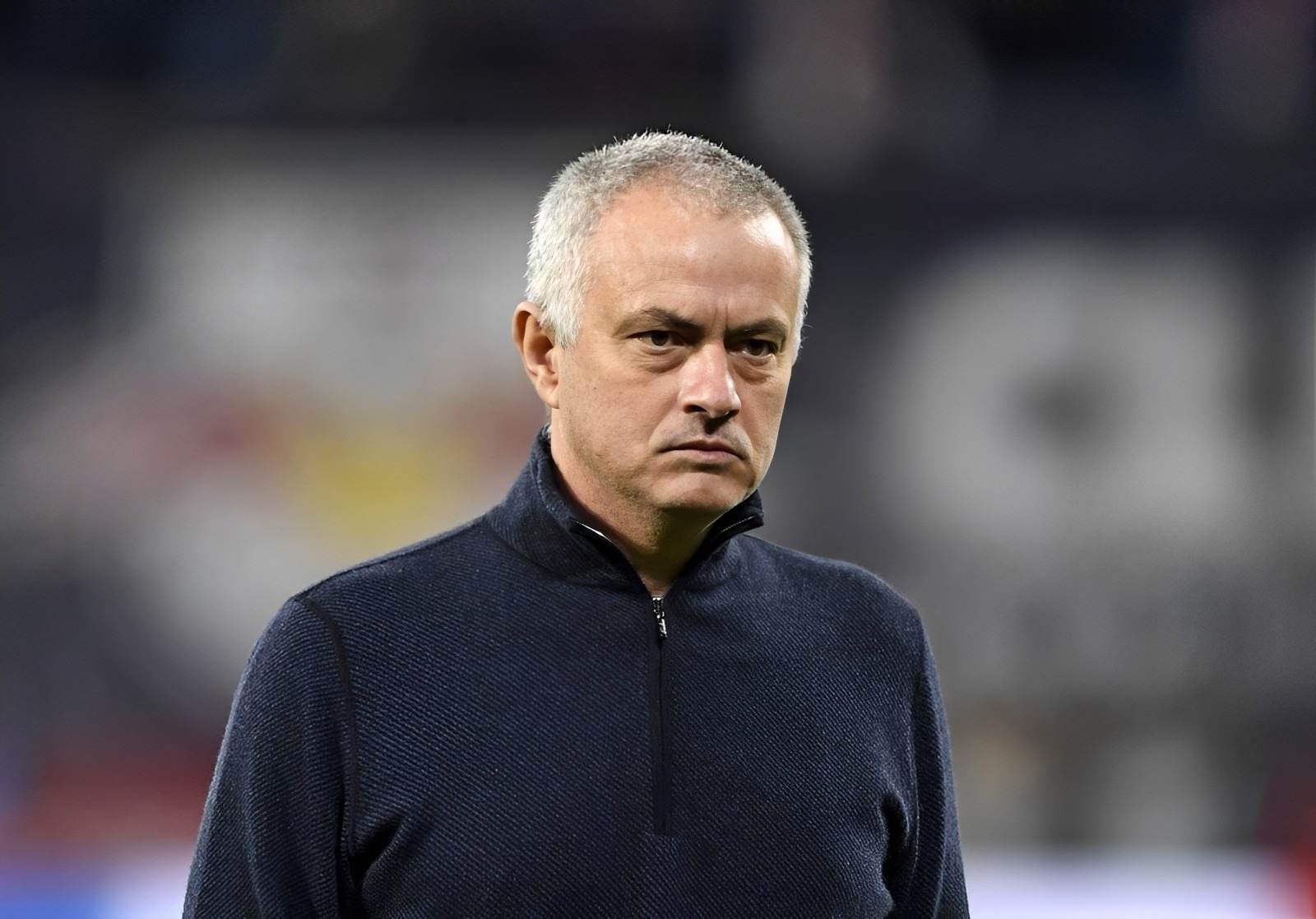

New Gabon manager Sebastien Migne says his side have the potential to challenge for qualification for the 2027 Africa Cup of Nations as he begins a four-year project that also targets the 2030 World Cup.
The 53-year-old Frenchman has taken charge of Gabon after ending his contract with Haiti, whom he guided to qualification for the World Cup.
Migne had been contracted to the Haitian federation until the end of 2026 but said he wanted a new challenge before agreeing to move to Gabon.
He travelled to Libreville on 23 July to complete the final details of his appointment and says he signed a four-year contract.
“I was under contract with Haiti until the end of 2026. I wanted to take on a new challenge, and I had a few contacts, including with Gabon,” Migne told Africafoot.
“I was very interested, but first I had to reach an agreement with the Haitian federation. At first, they were not particularly keen to let me leave, but in the end everything happened very quickly. We terminated my contract, and I reached an agreement with Gabon, who had approached me through an agent. I went to Libreville on 23 July to finalise a few details, and I therefore signed for four years.”
Migne returns to African football with considerable experience of the continent, having previously managed Congo, Kenya and Equatorial Guinea.
He has also worked as an assistant with Democratic Republic of the Congo and Cameroon, while his club experience includes a spell with South African side Marumo Gallants in 2021.
His previous work in Africa includes leading Kenya at the 2019 Africa Cup of Nations in Egypt and working with Cameroon at the 2022 World Cup in Qatar.
“It was not necessarily planned,” he said. “But I have a very strong connection with this football-mad continent, where I have had some very good experiences.”
Migne held discussions with Pierre-Alain Mounguengui, president of the Gabonese Football Federation, before his appointment was approved by Sports Minister Paul Kessany, a former Gabon captain.
The new manager believes Gabon have the quality to compete despite their recent struggles.
“It is a team I know well, and it has very interesting potential,” he said. “They came close to qualifying for the World Cup and played at the Africa Cup of Nations in Morocco, where, unfortunately, they were beaten three times.”
Gabon’s first major target under Migne will be to secure qualification for the 2027 Africa Cup of Nations.
The coach also sees the 2028 continental tournament and the 2030 World Cup as part of the longer-term plan, with the four-year contract giving him time to develop the national team.
“We are starting a four-year contract, which is interesting because I will be able to work over time,” he said. “There are two Africa Cups, in 2027 and 2028, and the World Cup in 2030. The first objective will be to qualify for this Africa Cup. We will take the deadlines one after another.”
Gabon face a demanding route to the 2027 tournament, having been drawn in a group containing Morocco, Niger and Lesotho.
Morocco are regarded as the strongest team in the section, with Migne having experienced their quality during his time as Haiti manager.
“Morocco are the big challenge,” he said. “They are the best African team at the moment, and therefore the favourites in the group. But because two teams qualify from each group, we have real chances.”
Gabon will travel to Morocco before hosting Niger in Franceville on matchday two in October, although the dates for the fixtures have yet to be finalised.
Migne has warned against underestimating either Niger or Lesotho, with both capable of making qualification difficult for Gabon.
“We will have to study our opponents carefully and not believe that it will be easy,” he added.
The Frenchman has already watched Gabon’s most recent matches as he begins assessing the squad available to him.
His next task will be to establish contact with the players as preparations begin for the qualification campaign.
Migne’s immediate focus is therefore on building a competitive Gabon side capable of negotiating a difficult group, while his longer-term ambition is to establish a team that can qualify for two successive Africa Cups and compete for a place at the 2030 World Cup.