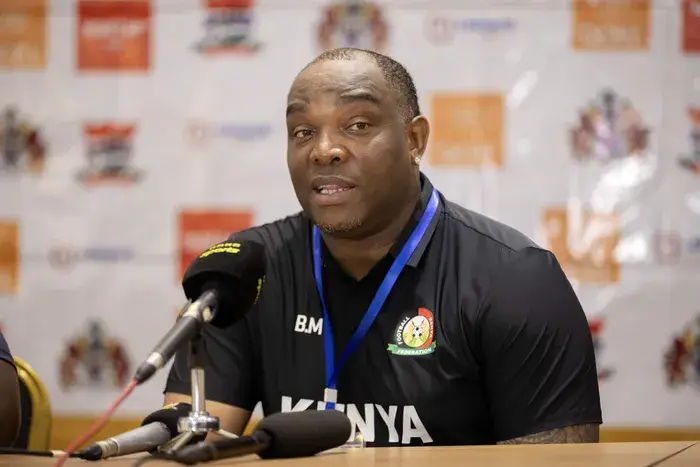
Morocco head coach Mohamed Ouahbi has questioned the build-up to France’s opening goal by Kylian Mbappe after his side’s 2-0 defeat in the quarter-finals of the 2026 FIFA World Cup.
The Atlas Lions’ World Cup journey came to an end against France, but Ouahbi said the controversial moment played a role in the opening goal while insisting it was not his place to judge the officials.
“The players stopped because they noticed a handball, but I am not a referee to decide,” Ouahbi said after the match.
The Morocco coach was referring to an incident in which a French player appeared to handle the ball before Mbappé found the net.
While acknowledging the moment, Ouahbi stopped short of directly criticising the referee’s decision.
Instead, he focused on his team’s overall performance and praised France for showing why they remain one of the favourites to win the tournament.
Speaking to beIN Sports after the match, Ouahbi admitted Morocco made mistakes against a side packed with world-class talent but insisted his players had produced encouraging spells, particularly after the break.
He highlighted the team’s composure during the second half and said the Atlas Lions never stopped believing despite falling behind.
Ouahbi also paid tribute to goalkeeper Yassine Bounou, whose outstanding display prevented France from taking control of the contest much earlier.
The Morocco goalkeeper produced several key saves throughout the match, including stopping an early penalty from Mbappé to keep his side firmly in contention.
Although Morocco ultimately failed to reach the semi-finals, Ouahbi said the defeat should not overshadow the progress his side has made.
“We have to continue working. We had some absences because some players were not ready. There is disappointment… The future will be better and more beautiful,” he said.
“We did our best. We should continue to work and keep full confidence. We will not let this defeat discourage us.”
Morocco’s campaign once again highlighted the country’s growing influence on the global stage.
After becoming the first African and Arab nation to reach a World Cup semi-final in Qatar four years earlier, the Atlas Lions backed up that achievement by returning to the last eight in 2026.
Their performances have reinforced Morocco’s status as one of Africa’s leading football nations and demonstrated their ability to compete consistently with the world’s elite.