The expansion of the FIFA World Cup to 48 teams has created greater opportunities for nations from outside Europe to compete on football’s biggest stage, but the quarter-final line-up has once again highlighted the continent’s enduring strength.
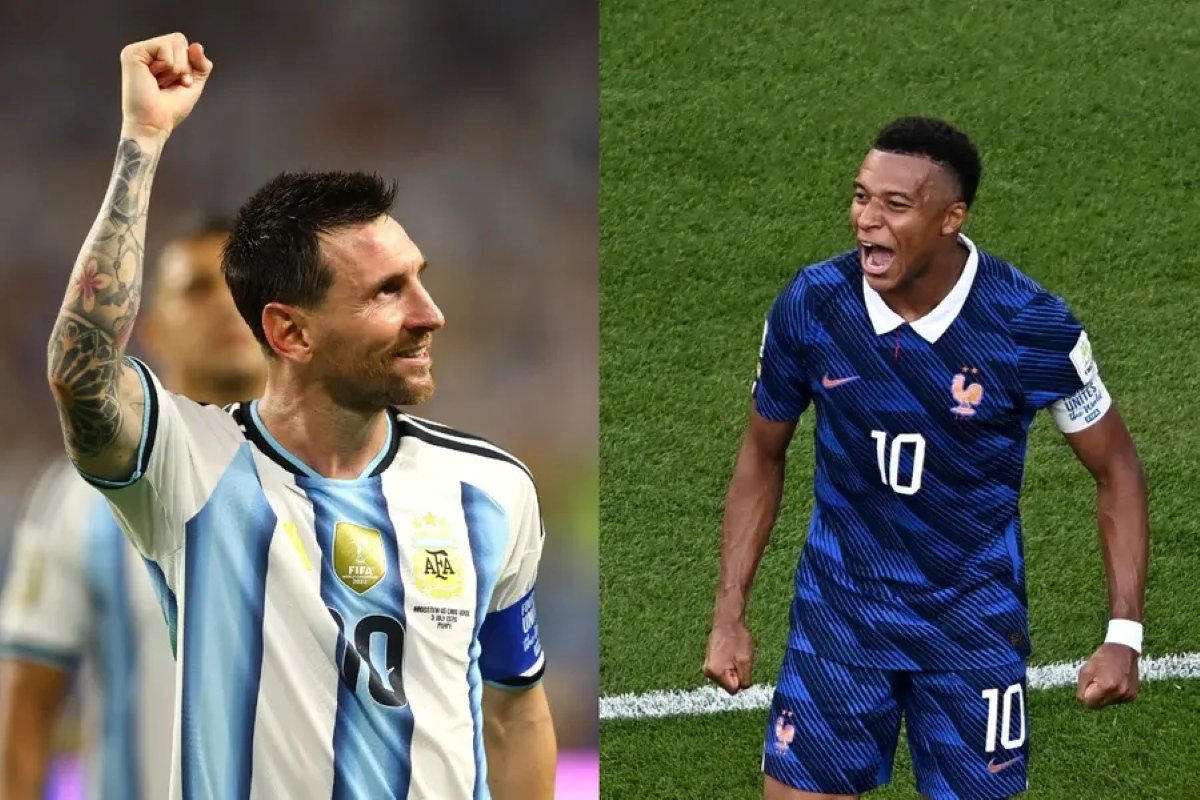
Six of the eight remaining teams are from Europe, leaving only defending champions Argentina and Morocco as the non-European nations still in contention for the title.
France, Spain, Belgium, England, Norway and Switzerland have all progressed to the last eight, raising the prospect of an all-European semi-final line-up for the second time in three World Cups after the same scenario unfolded in 2018.
Although Europe’s allocation of World Cup places has reduced significantly over the years—from 14 of the 24 available places at the 1990 tournament in Italy to 16 of the expanded 48-team competition—the latter stages continue to be dominated by European nations.
The increase in places has enabled more teams from other continents to qualify. Africa, for example, doubled its representation from five teams at the 2022 World Cup in Qatar to 10 in this edition. However, the knockout rounds have once again underlined Europe’s ability to maintain its advantage.
In fact, Europe’s presence in the quarter-finals has increased compared with the previous tournament. Six European teams have reached the last eight this time, compared with five four years ago. The 2002 World Cup remains a rare exception, when only four European nations made it to the quarter-finals.
Much of Europe’s continued success has been attributed to the concentration of football’s financial resources on the continent. Many of the world’s leading players compete in Europe’s elite leagues, while top academies across Western Europe continue to develop highly rated young talent.
Those academy systems have also benefited countries beyond Europe, with Morocco providing one of the clearest examples.
The North African nation, which became the first African team to reach a World Cup semi-final in 2022, has continued to build on that achievement through a combination of domestic development and overseas talent.
Several members of Morocco’s current squad, including playmaker Azzedine Ounahi, graduated from the Mohammed VI Academy near Rabat. At the same time, many of the team’s leading players were born and developed in Western Europe before representing Morocco internationally.
Captain Achraf Hakimi and Brahim Diaz were developed in Spain, Noussair Mazraoui came through the Dutch system, while Ayyoub Bouaddi was raised in France.
During their 1-1 draw against Brazil in the group stage, Morocco became the first team in World Cup history to field an entire starting XI made up of foreign-born players at one stage of the match.
They now have the chance to equal, or even surpass, their historic run from four years ago.
“Morocco are evolving all the time, as are France,” coach Mohamed Ouahbi said ahead of Thursday’s meeting between the two countries.
“These two teams are even better than they were four years ago and that was to be expected given the great work being done by both federations.”
The tournament has also reflected a broader trend in international football. Nearly one in every four players selected for this World Cup was born in a country different from the one they represent, with many choosing to play for nations linked to their family heritage despite being raised in Europe.
Argentina present a contrasting model. While most of their squad were born in the country, many moved to Europe early in their careers. Lionel Messi is perhaps the best-known example, having joined Barcelona while still in his early teens.
Brazil’s squad is also largely based in Europe, but their campaign ended earlier than expected. The five-time champions failed to reach the quarter-finals for the first time since 1990 despite appointing Italian coach Carlo Ancelotti.
Their defeat by Norway in the last 16 also extended a long-standing trend, with Brazil continuing to lose every World Cup knockout match they have played against European opposition since lifting the trophy in 2002.
Elsewhere, the United States were unable to capitalise on home-continent expectations after suffering a heavy 4-1 defeat to Belgium in the last 16, ending hopes of matching their quarter-final appearance from 2002.
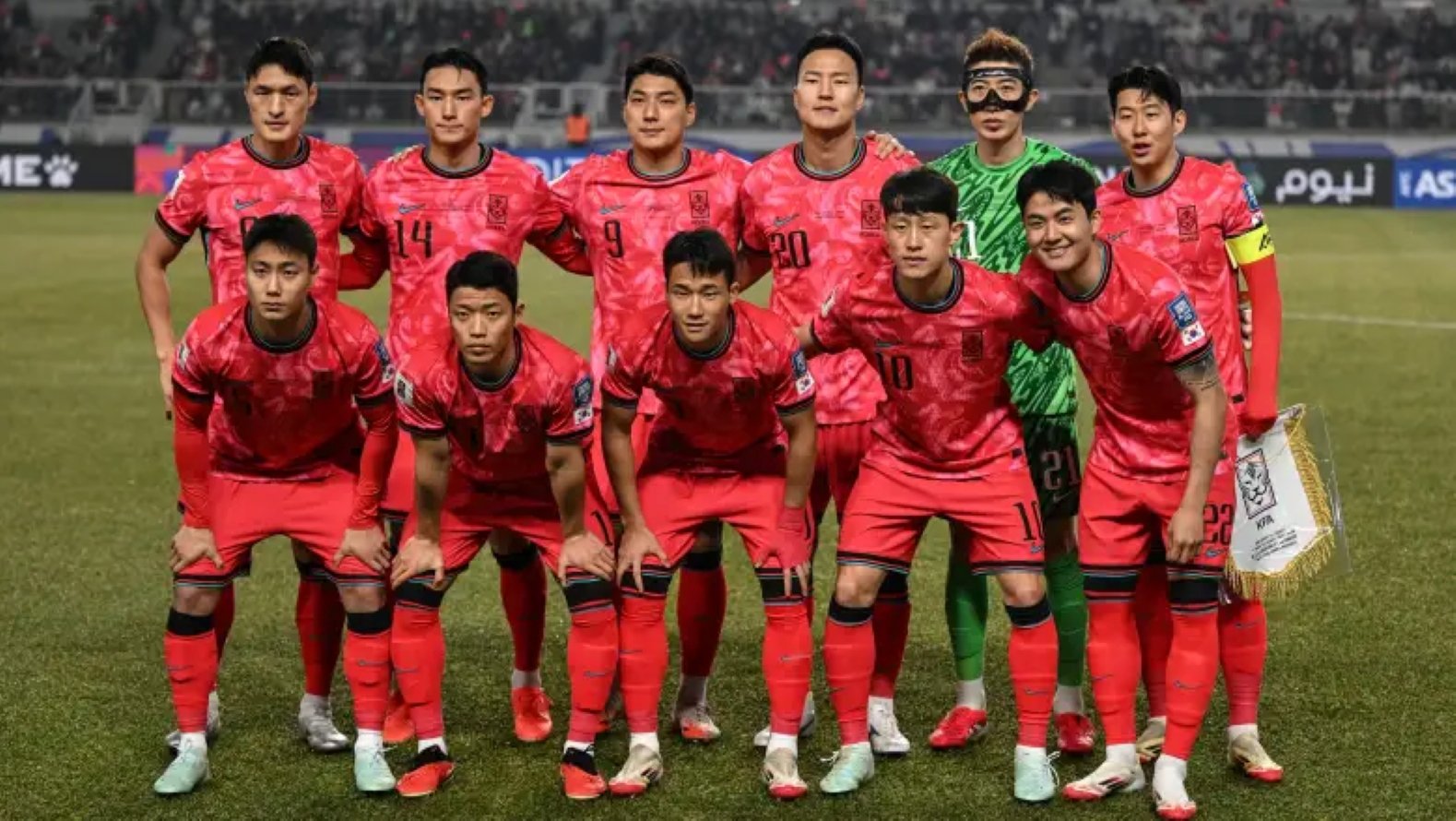
Asia, despite having a record nine representatives at the tournament, saw only Australia and Japan progress beyond the group stage.
Colombia also exited in the last 16 after losing a penalty shootout to Switzerland, whose progress to the quarter-finals marks their first appearance at that stage since 1954.
Switzerland believe their experience of regularly facing Europe’s strongest sides can serve them well in their meeting with Argentina.
“This is a unique opportunity for us. We have seen that Argentina are not unbeatable,” said Switzerland coach Murat Yakin.