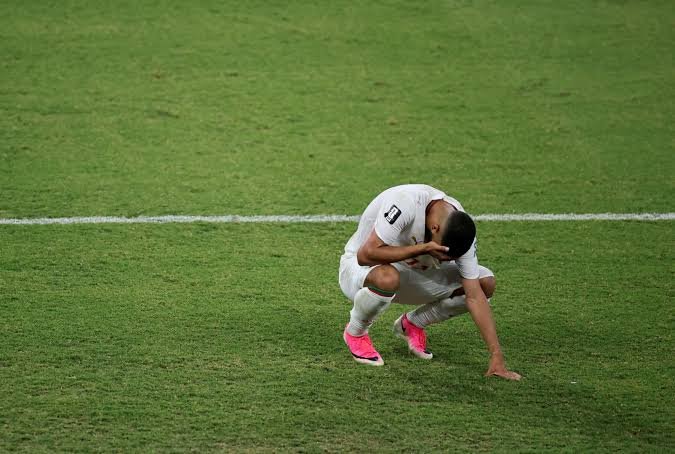
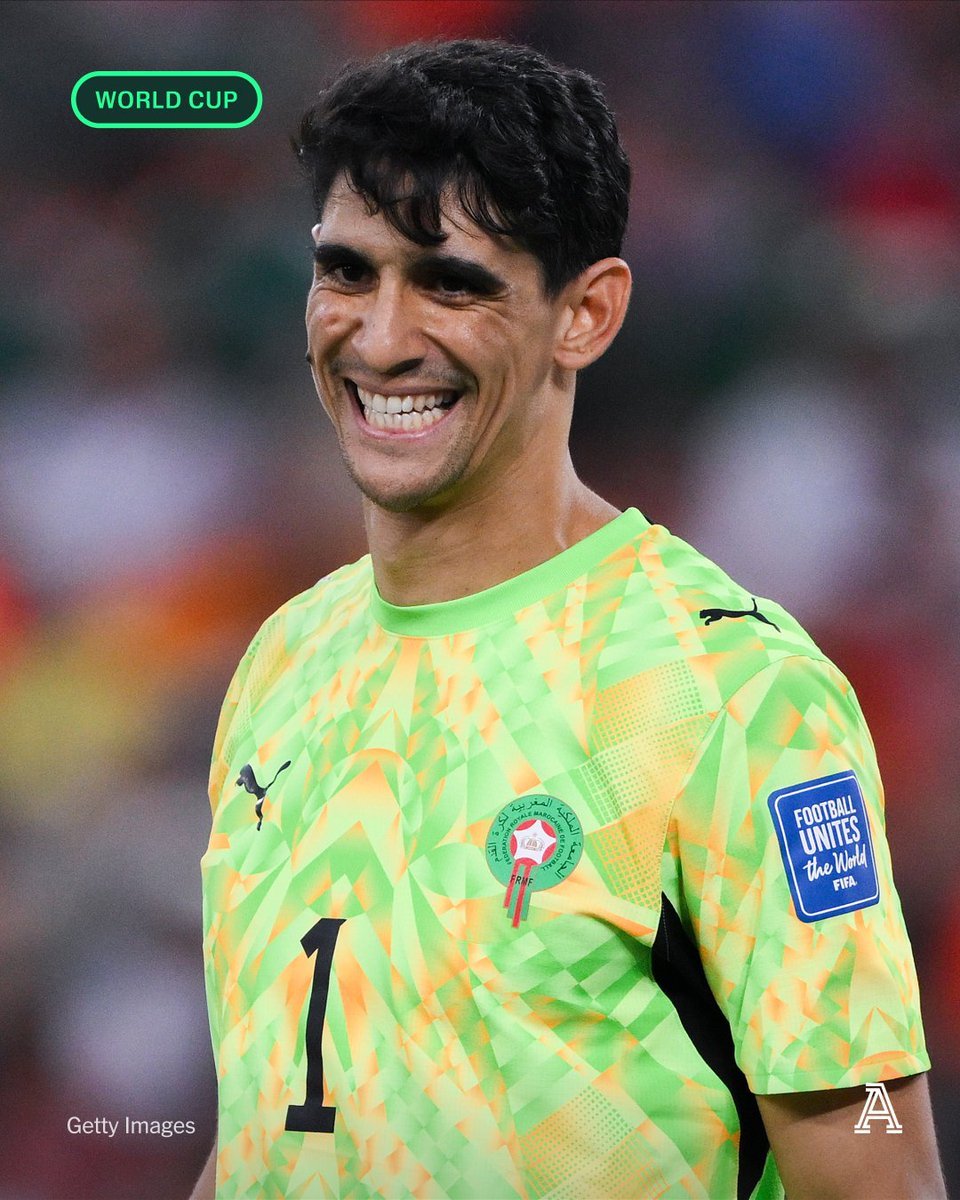
Canada head coach Jesse Marsch has insisted his side produced the better overall performance despite suffering a 3-0 defeat to Morocco that ended their 2026 FIFA World Cup campaign in the Round of 16.
The tournament co-hosts were knocked out after Morocco delivered a ruthless second-half display to secure a place in the quarter-finals, continuing the Atlas Lions‘ impressive run at the competition.
While the scoreline suggested a comfortable Moroccan victory, Marsch argued that it did not fully reflect the balance of play, maintaining that Canada’s inability to convert chances proved decisive.
The North Americans made a bright start to the knockout match and created several opportunities during the opening half. However, they were unable to turn those chances into goals, allowing Morocco to remain level before taking control after the break.
The Atlas Lions capitalised on their opportunities in the second half, showing greater composure and efficiency in the final third to score three unanswered goals and seal qualification.
For Morocco, the victory reinforced the growing reputation of a side that has continued to build on its historic performances at recent World Cups.
After reaching the semi-finals in 2022, the North Africans have once again emerged as one of the tournament’s strongest teams, advancing to the last eight with another disciplined display.
Canada, meanwhile, saw its World Cup journey come to an end despite making history earlier in the tournament by reaching the knockout stages.
Speaking after the final whistle, Marsch refused to believe the scoreline reflected his team’s overall display and instead pointed to the difference in finishing between the two sides.
“We were the better team. Morocco were simply more efficient in the final third, while we lacked precision when it came to finishing our attacks.”
The Canadian coach’s assessment contrasted sharply with the final result, highlighting his belief that his players competed well against one of Africa’s leading football nations but failed to capitalise on key moments.
Canada’s first-half performance offered encouragement as they attempted to impose themselves against Morocco, creating openings without finding the breakthrough. Their inability to score ultimately proved costly as Morocco punished them after the interval.
The Atlas Lions demonstrated the clinical edge that has characterised much of their World Cup campaign, converting their chances when they mattered most and keeping Canada from mounting a comeback.
For African football, Morocco’s progress represents another significant milestone.
The North Africans continue to carry the continent’s hopes in the competition after eliminating one of the tournament’s co-hosts, while further underlining the consistency that has made them one of the world’s most competitive national teams in recent years.