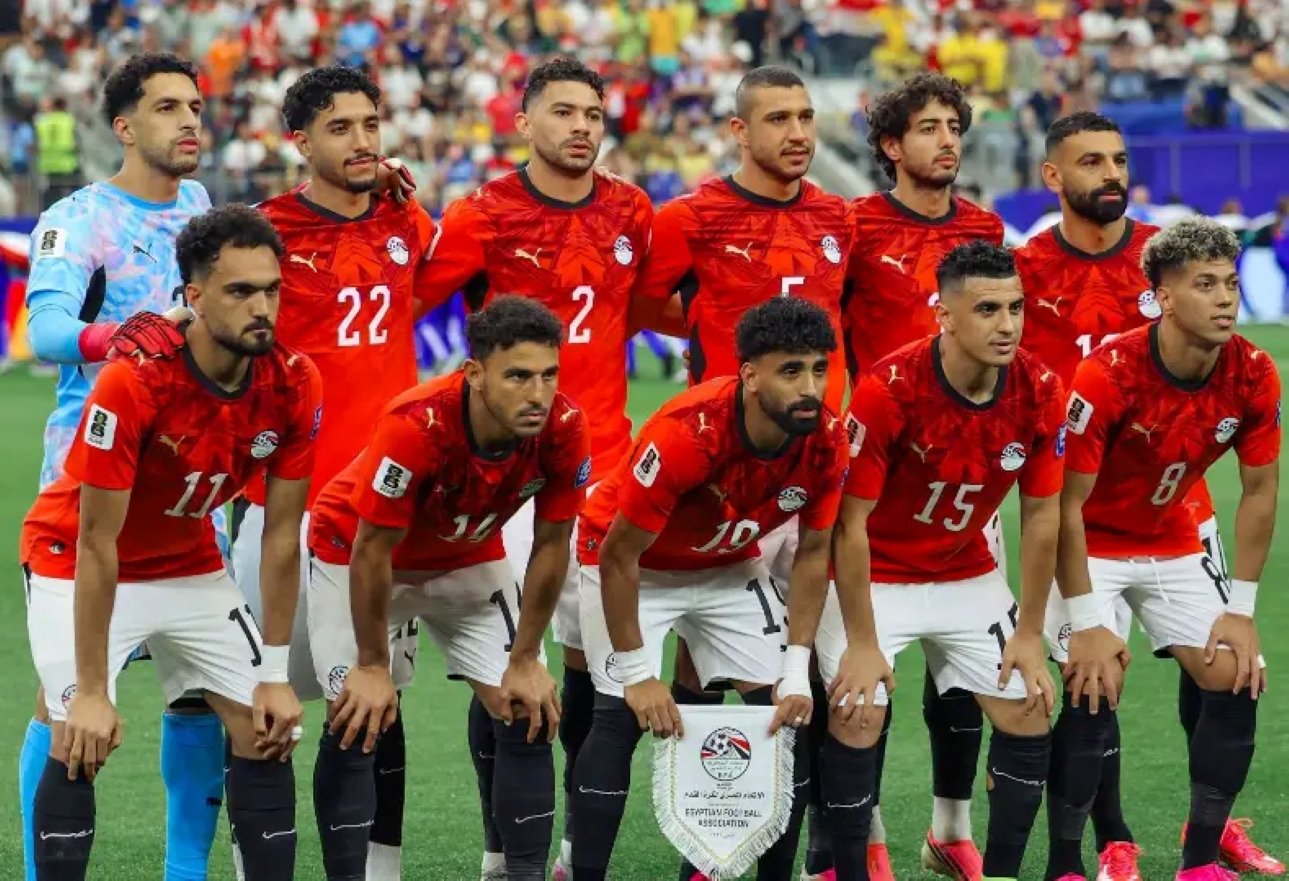
Imam Ashour has become the first Egypt player to score in a World Cup knockout match for more than nine decades after finding the net against Australia in the round of 32.
The Al Ahly midfielder scored in Egypt’s 1-1 draw with Australia at Dallas Stadium, before the Pharaohs progressed to the last 16 with a penalty shoot-out victory.
Ashour’s goal was his second of the 2026 World Cup, having also scored in Egypt’s opening match against Belgium, which ended 1-1.
The strike against Australia gave Egypt an important breakthrough in the knockout tie and placed Ashour among a small group of players with a connection to Egyptian domestic football who have scored during the elimination rounds of the World Cup.
He is the third active player in the Egyptian league to score in a World Cup knockout match, following Abdel Rahman Fawzi for Egypt in 1934 and Emmanuel Amunike for Nigeria in 1994 while he was a Zamalek player.
First Egypt Knockout Goal Since 1934
Ashour’s goal was Egypt’s first in a World Cup knockout fixture since Fawzi scored twice against Hungary in 1934.
Egypt lost that match 4-2, but Fawzi’s two goals established a major landmark in the country’s football history.
He became the first Egyptian, Arab and African player to score at the World Cup finals.
The 1934 tournament was played in a straight knockout format from the opening round, meaning Egypt’s match against Hungary was their first fixture of the competition.
For more than 90 years, Egypt had not scored again in a World Cup elimination match.
Ashour has now ended that long wait, doing so during a tournament in which he has already made a significant contribution to Egypt’s progress.
His two goals have come in key moments of the campaign, first against Belgium in the group stage and then against Australia in a match that determined whether Egypt would remain in the competition.
A Rare List of Egyptian League Players
Ashour’s achievement also connects him with Amunike, who was playing for Zamalek when he represented Nigeria at the 1994 World Cup.
Amunike scored Nigeria’s only goal against Italy in the round of 16.
Nigeria were eventually beaten 2-1, but his goal ensured that he became part of the limited group of Egyptian-league players to score in the World Cup knockout rounds.
Ashour has now joined Fawzi and Amunike on that list after his goal helped Egypt take the lead against Australia.
Although Australia later equalised, Egypt held their nerve in the penalty shoot-out to qualify for the next round.
Ashour’s Growing Influence
Ashour’s performance has reinforced his importance to Egypt during the current World Cup.
His goal against Belgium helped Egypt begin the competition with a draw, while his strike against Australia contributed to the team’s progression from the round of 32.
Egypt’s shoot-out win has given the squad another opportunity to extend their campaign, while Ashour’s contribution has earned him a place in the country’s World Cup record books.
By scoring in the knockout stage, he has delivered a landmark moment for Egyptian football and added a new chapter to a history previously defined by Fawzi’s achievements in 1934.