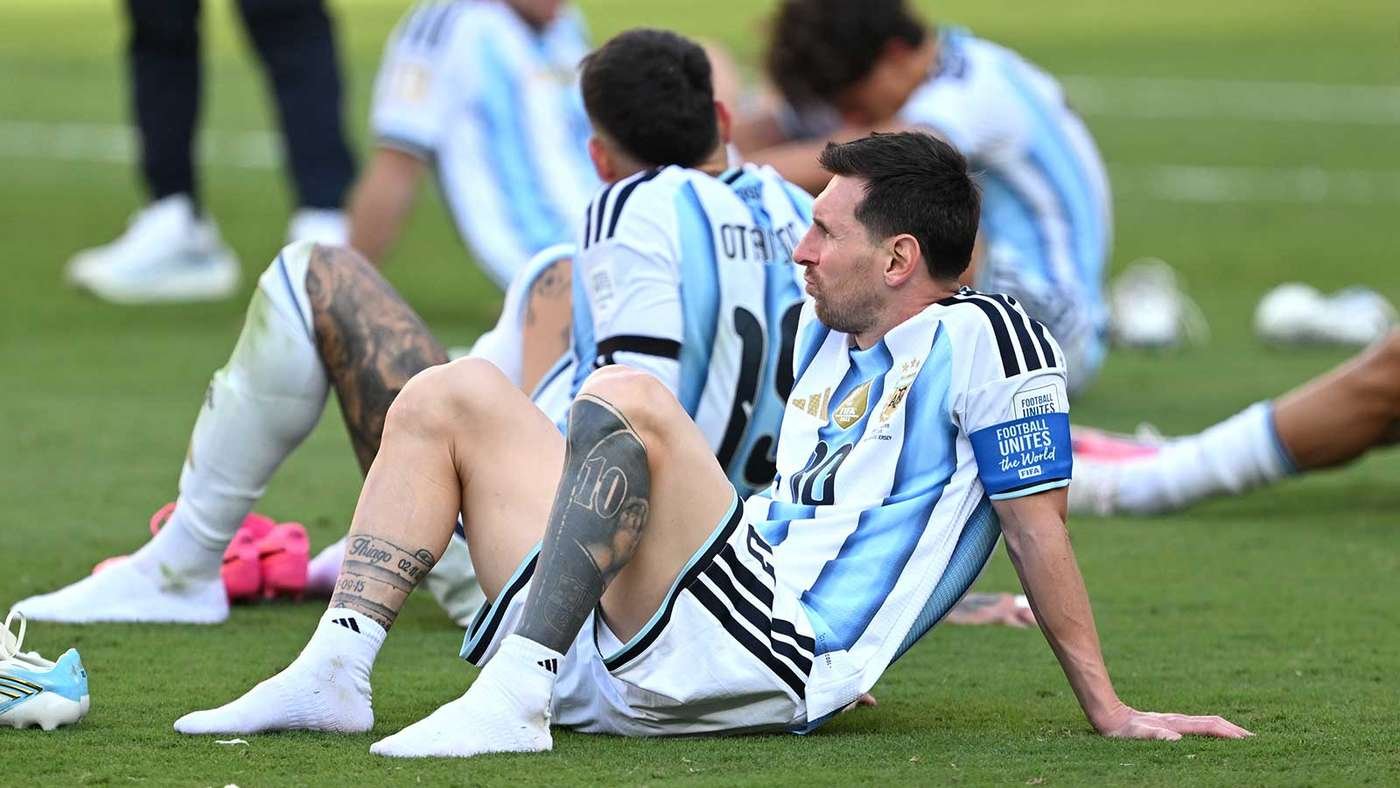
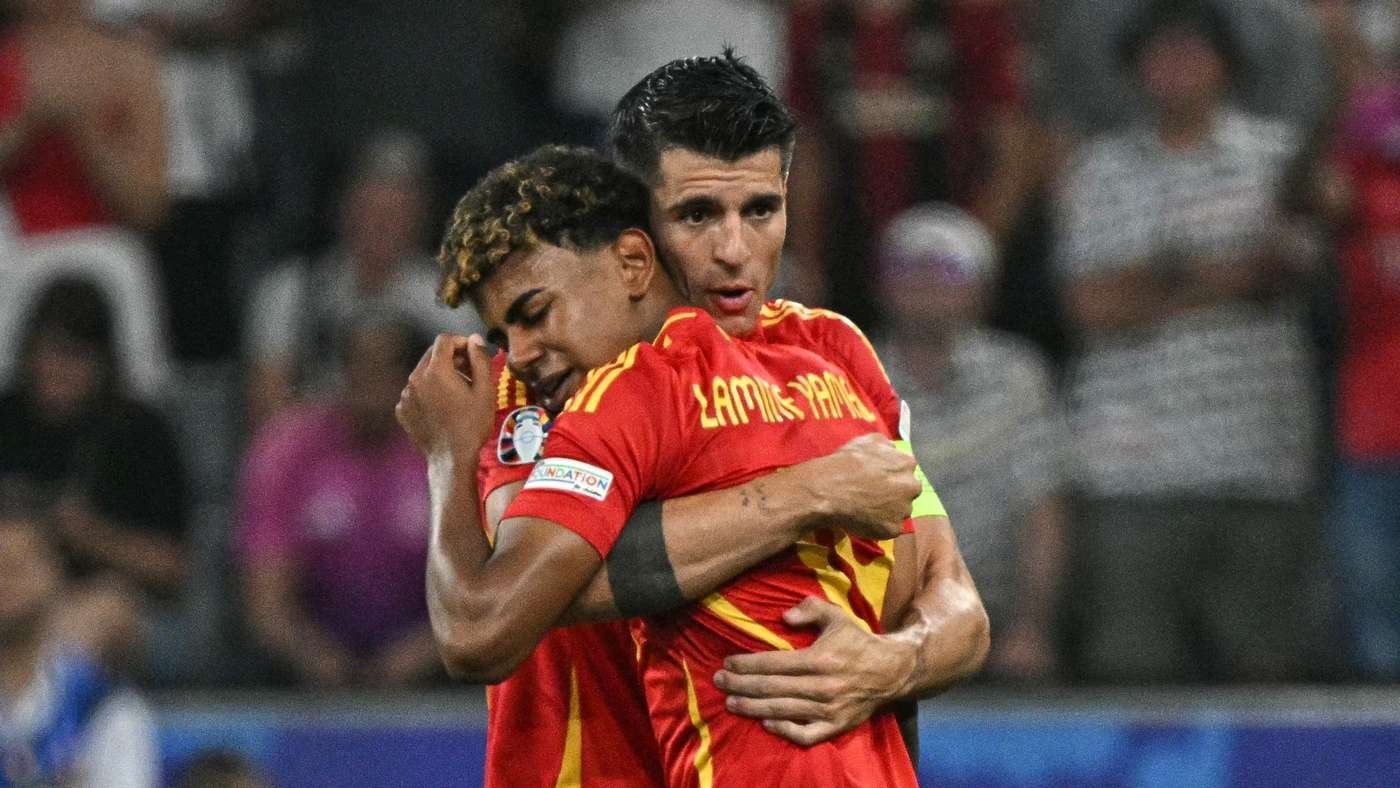
Argentina’s dramatic extra-time defeat to Spain in the 2026 World Cup final has reignited a simmering question in Buenos Aires: did Lionel Scaloni’s side ultimately pay the price for no longer having Angel Di Maria on the biggest stage?
Spain claimed the title with a 106th‐minute strike from Ferran Torres, denying Argentina back‐to‐back World Cup crowns and sparking renewed scrutiny of the Albiceleste’s evolution since Di Maria brought his international career to an end two years ago.
With the trophy slipping away deep into extra time, a wave of statistics began circulating in local media and online, underlining the contrast between Argentina’s record in major finals with Di Maria on the pitch and their fortunes without him. The figures have poured fresh fuel on a long‐running debate over the winger’s influence – not just in terms of goals and assists, but his tactical value in showpiece matches.
Numbers revive the ‘missing hero’ question
For many Argentina supporters, the loss to Spain felt like the first major final of the Lionel Scaloni era in which a proven “big‐occasion” match‐winner was missing from the team sheet. Di Maria, who scored crucial goals in both the 2021 Copa America final and the 2022 World Cup final, retired from international duty in 2024, leaving a void in experience and attacking unpredictability.
The renewed discussion has focused heavily on statistical patterns that appear to link Argentina’s success in finals directly to Di Maria’s involvement. Analysts have highlighted how often major titles in the Messi‐Scaloni era were clinched with Di Maria playing a decisive role, compared with more laboured attacking performances when he was absent.
Those numbers, widely shared in the hours after the defeat in North America, have deepened the sense that Argentina may have gone into the 2026 final without the player many fans regard as their “true big‐game specialist”.
Tactical dimension under scrutiny
Beyond raw data, the debate has also turned to what Di Maria offered tactically. During his international career, the winger was frequently used as a disruptor of defensive systems, stretching play wide, running in behind full‐backs and creating space for Lionel Messi and the team’s central attackers.
Pundits in Argentina have questioned whether the current generation possesses anyone capable of replicating that specific profile in high‐pressure matches. While Scaloni has introduced younger forwards and wide players in an attempt to refresh the side, none has yet consistently reproduced Di Maria’s blend of pace, invention and timing on the biggest occasions.
The loss to Spain – settled by Torres’s extra‐time goal – has therefore become a focal point for wider anxieties about Argentina’s transition away from the core that delivered the 2022 World Cup and successive continental titles.
Old argument, new urgency
The question of Di Maria’s true weight in Argentina’s golden period has lingered since his retirement, but the manner of the 2026 final defeat has given it new urgency. Supporters who once debated whether he was under‐appreciated now point to the latest disappointment as evidence that his departure left more than just an emotional gap.
While the result in the final will not erase Argentina’s recent triumphs, it has sharpened the focus on how the team evolves without one of its most decisive figures. For now, the numbers – and the memories of Di Maria’s decisive interventions in major finals – ensure that his absence will remain at the centre of Argentina’s post‐World Cup inquest.
All rights reserved Kooora©2026